Twin Pregnancy Symptoms by Trimester: What’s Normal and When to Call Your Doctor
Twin pregnancy takes every normal pregnancy symptom… and then turns the volume up to 11/10
A lot of moms are shocked by how much earlier, stronger, or just plain weirder everything feels when you’re growing two babies instead of one.
As both a registered nurse and a twin mom, I learned pretty quickly that twin pregnancy plays by its own rules. What’s “normal” can show up sooner, hit harder, or feel completely different than what your singleton-pregnant friends are dealing with.
Here’s a trimester-by-trimester look at what’s common, how twins can make it feel different, and when you should actually call your provider.
First Trimester (Weeks 1–13)

This trimester can feel intense. Some symptoms start before you’ve even fully processed the fact that there are two of them in there.
Common symptoms
Nausea / morning sickness (or all-day sickness)
Extreme fatigue
Breast tenderness
Peeing every 12 minutes
Mood swings
Food aversions or random cravings
How twin pregnancy can feel different
Some twin moms experience more intense nausea, breast tenderness, and fatigue. ACOG notes that people carrying multiples may have more severe morning sickness, although every twin pregnancy is different.
My doctor promised me I’d start feeling better and less nauseous around week 16–20. At my first appointment around week 8, she looked at my husband and said, “Be nice to her. This is just the beginning.”
She was not wrong.
I literally puked until the day I delivered.
Helpful tips
Eat small, frequent meals
Keep snacks within arm’s reach
Sip fluids throughout the day
Rest whenever your body lets you
Ask your provider about pregnancy-safe options if the nausea is kicking your butt
If you’re unable to keep fluids down, you’re barely urinating, your urine becomes very dark, or you’re feeling faint or dizzy, call your healthcare provider.
Second Trimester (Weeks 14–27)
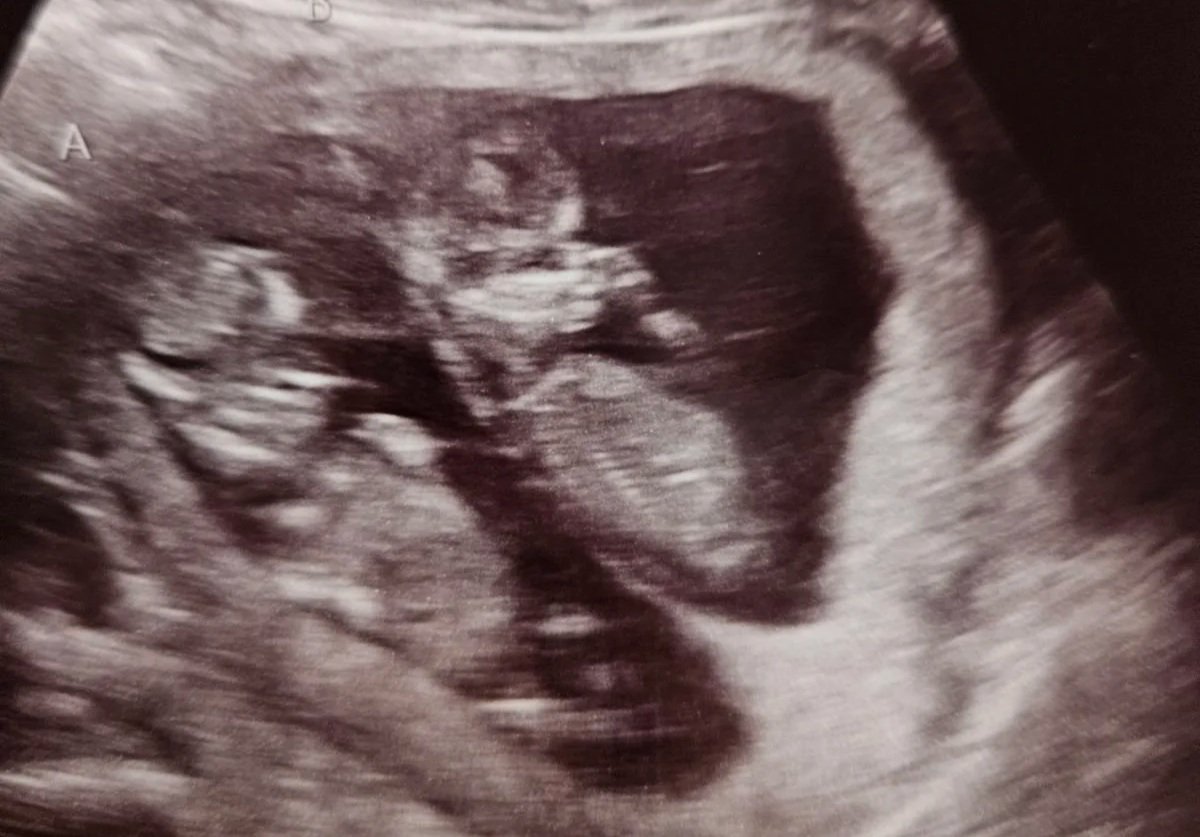
A lot of singleton moms get their energy back here. Twin moms? Not always. Growing two humans tends to bring a whole new set of physical “fun.”
Common symptoms
A little more energy (maybe)
Rapid belly growth
Round ligament pain
Heartburn
Back, hip, or pelvic discomfort
Braxton Hicks
How twin pregnancy can feel different You’re usually measuring ahead. Your belly grows fast, and the pressure on your back, hips, pelvis, and diaphragm ramps up earlier. Heartburn and shortness of breath can also show up sooner than expected.
And then there’s the surprise guest: lightning crotch (or as I called it at first, “lightning butt”).
I thought I was losing my mind. It felt like someone was cattle-prodding me in the butt, or like I was getting Herculesed from the inside. Because I was a first-time mom, I had zero reference for what was happening. Come to find out, pregnant women call it lightning crotch… and while it usually shows up later in singleton pregnancies, it can make an early appearance when you’re carrying twins.
Helpful tips
Ask about a maternity support belt
Stay active with provider-approved movement
Use all the pillows for side-sleeping
Keep your ultrasound and prenatal appointments
Write your questions down before every visit (brain fog is real)
Third Trimester (Weeks 28 to Delivery)

Welcome to the final boss level. Everything feels heavier, tighter, and your bladder somehow still finds ways to complain.
Common symptoms
Swelling
Fatigue
Back pain
Constant peeing
Braxton Hicks
Shortness of breath
Terrible sleep
How twin pregnancy can feel different Discomfort ramps up. Pelvic pressure, swelling, heartburn, and breathing issues get more noticeable. Your provider will also watch more closely for things like preeclampsia, gestational diabetes, growth differences, and amniotic fluid changes.
Helpful tips
Elevate your feet whenever you can
Stay hydrated
Pack the hospital bag early
Accept help from people who offer
Call your provider if something feels off, no hesitation
When to Call Your Healthcare Provider
Reach out right away if you have:
Decreased fetal movement
Vaginal bleeding
Leaking fluid
Severe headache
Vision changes
Sudden or significant swelling (especially face or hands)
Severe abdominal pain
Chest pain
Difficulty breathing
Regular or frequent contractions (especially before 37 weeks, or as your provider directed)
You’re not overreacting. Twin pregnancies need closer monitoring, and your team would rather hear from you early than late.
General Tips for Managing Twin Pregnancy Symptoms
Track how you’re feeling between appointments
Stay hydrated and eat as well as you can
Rest like it’s your full-time job
Stay active if your provider says it’s okay
Ask for help when you need it
Growing two babies is hard work. No joke.
💛 Twin Mom Tip Don’t compare your twin pregnancy to someone else’s, especially someone growing one baby. Every twin pregnancy is different, and a lot of symptoms show up earlier or feel stronger simply because your body is doing double duty.
A Few Things That Actually Helped Me Survive
Magnesium baths. Not optional. They saved my life.
Electrolytes that worked well for me: I kept coming back to Jigsaw Health Potassium Cocktail (Blue Raspberry). It’s sugar-free, packs 800 mg of potassium per serving, plus a little magnesium and sodium. No chalky aftertaste, no weird energy crash. I mixed a packet into my water bottle pretty much every day, and it helped me stay on top of hydration and muscle cramps.
A couple of other things seemed to help me personally. I used Coffea cruda and also received B-complex injections, and I noticed a difference in how I felt.
That’s just my experience, not me telling you to go try either one. I’d always talk with your OB or MFM before adding supplements, injections, or homeopathic products during pregnancy.
Frequently Asked Questions
-
A lot of moms say the fatigue, nausea, heartburn, and pelvic pressure hit harder. But every pregnancy is its own adventure.
-
Some (especially nausea and fatigue) can start earlier because of those higher hormone levels.
-
Yes. Twin pregnancies often measure ahead, and many of us start showing earlier.
-
Always. If something feels weird or worries you, call. That’s what they’re there for.
References
American College of Obstetricians and Gynecologists (ACOG). Multiple Pregnancy.
Society for Maternal-Fetal Medicine (SMFM). Patient Education.
March of Dimes. Pregnancy Symptoms.
Medical Disclaimer This article is for educational purposes only and is not a substitute for medical advice from your own healthcare provider. Always follow the recommendations of your OB, MFM, or other qualified professionals regarding your pregnancy.
